《老无所依》 2007年11月
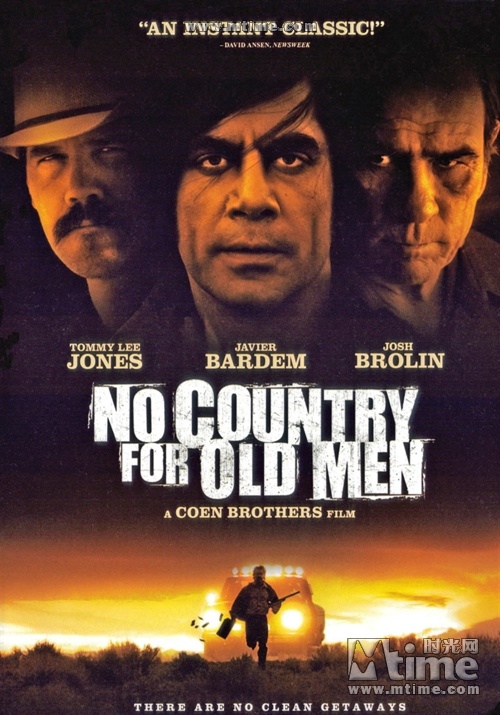
此片获80届奥斯卡最佳影片奖
导演: 伊桑.科恩、乔尔.科恩兄弟
主演: 汤米.李.琼斯
在看过第三遍《老无所依》后,才敢写下这些文字。在这部复杂甚至于晦涩的片子中,每一个镜头、每一句台词都隐含了太多的信息和寓意,当然,或许其中有些是毫无意义的,最终解释权还在科恩兄弟那里。我看了关于该片的众多影评及分析,别人的解读我不在此重复,以下几点仅为我不同于他人的理解以及被人忽视的细节: 1. 影片的题目为《NO COUNTRY 4 OLD MEN》。从字面上来看,old man应该指的是警长,但这里用的却是复数,也就是说,并非警长一人,同时,从整个片子来看,不论是代表死神的杀手还是代表私欲凡人的moss,他们都无处可藏。
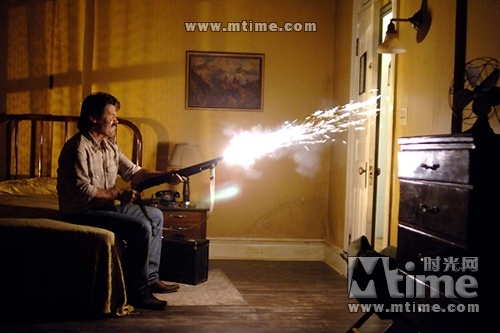
2. 杀手的名字叫ANTON CHIGURH,这看似是个别有用心的设计(在医院时moss两次说成是sugar)。ROGER EBERT在影评中也专门提到了这个名字,只不过他并没有道明原由。
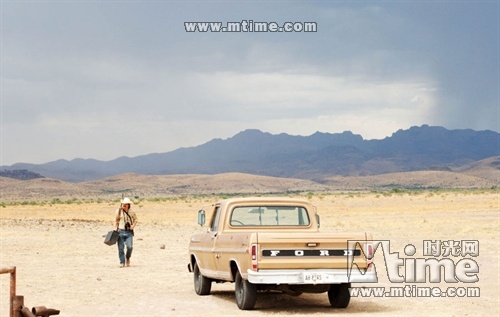
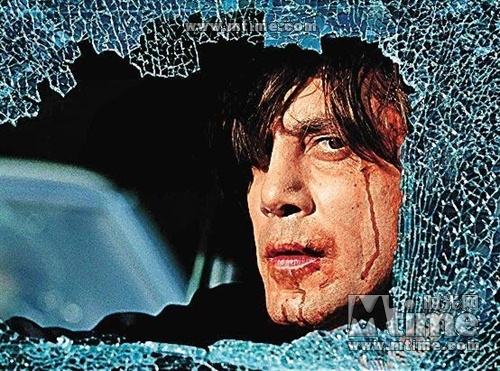
3. 关于moss给濒死的墨西哥人送水的情节,非常关键的情节。虽然$200M是moss走上死亡之路的源头,但送水的行为也招致moss过早得踏上了死亡之路。大家基本上都觉得moss是出于善念,但我认为并非如此:首先moss在白天看到这个腹部中枪的墨西哥人时,并没有丝毫善意的表现,而是冷漠地关上了车门;其次,moss在发现这个人时应该是接近正午(moss看手表上的时间不到12点),而他送水是在第二天的凌晨,很明显,过了这么长时间,即使那个人没有因失血过多而死,送点水去也不可能救活他(虽然从车窗破碎和头部中枪可以看出他是后来被其他的墨西哥人所杀)。因此,这里的善念是站不住脚的。那么到底是为什么呢?当然是没有理由。影片始终在以一种无常的方式叙述,所以moss去送水,也是一种没有理由的行为,因此也不必给moss戴上一顶善人的帽子。
4. 在影片前部分中,共有4次凸显了“狗”:moss在打猎时,看到一只仿佛受伤的狗(待求证);在moss发现车辆和尸体时,有死狗的特写;moss送水被追杀,射杀了一只追他的狗;在警长去看尸体现场时,跟随他的警员说“他们连狗都杀”。从这几次场景中,我们看到:从moss看着狗跛着腿离去,到狗扑向moss被射杀,再到警员说“他们连狗都杀”,这一系列“狗”的安排,仿佛在说明人在狗的面前,就像杀手和moss的关系。
5. 杀手的武器是一个用来杀牲口的气筒枪。用它来杀人,充分体现了杀手是死神的化身。神职人员将十字架放在信徒的脑门上,而杀手则是把武器抵在别人的脑门上。当然,这种解释有点牵强,同时,联系到杀手杀人时的手法,这种凶器的使用也比较矛盾。因为,从开头杀手杀警官盯着天花板以及杀手杀一个墨西哥人之前拉上帘子来看,杀手残忍冷漠到不去看被杀者的表情(这与《黑暗骑士》的小丑截然不同,呵呵),但是使用气筒枪,杀手就必须要看着被杀者把气筒顶上他的脑门,这一点,还需要大家探讨。
6. 影片中被杀手干掉的人中,两个开始雇用他的人被干掉有些不合情理,我看大家都认为是因为那两个人出言不逊所致,但我认为并非如此。那两个人只叫了声“bitch”,而结尾两个小孩也叫了“fucking”,却没有被杀,所以出言不逊不是原因。真正的原因是因为杀手在确认了拿钱的人以及拿到接收器后,认为那两个人已经没有价值,对他找寻着$200M来说甚至是个麻烦,所以他干掉了他们。这也在之后moss与wells的对话中可以证实:anton会毫不犹豫地杀掉任何给他带来不便的人。
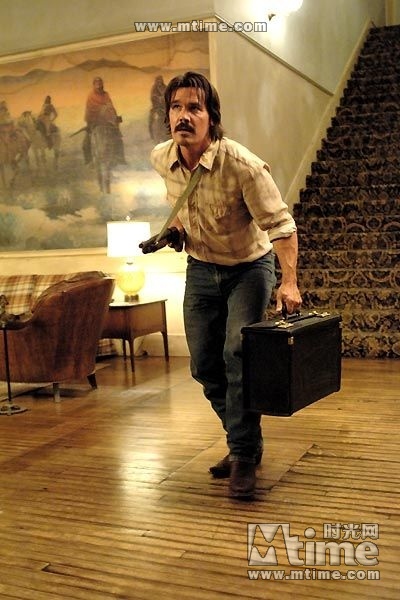
7. 反观影片中没有被杀手干掉的人,杂货店老板是因为选对了硬币,杀手遵守了原则;而至于那个管理员大妈,大家都认为因为她是女士,杀她会违反了杀手的原则。但是,影片并没有说杀手的原则里包含不杀女士这一条,况且杀手也杀了moss的老婆,同时这个大妈也确实给杀手带来了不便。所以,没有杀她的原因,是因为杀手听到了厕所的冲水声,证明有其他人在,他不想因为这个不必要的杀戮节外生枝。
8. 影片有一处巧妙的涉及,安排杀手和警长坐在同一处喝牛奶,并盯着电视屏幕看各自的影子。警长说:他(杀手)和我看到的是一样的东西。这一样的东西是什么呢?杀手看到的是他自己,而警长看到的则是开头叙述中那个杀死小女友的少年,也就是现在的杀手。
9. 影片中杀手使用硬币来表现他是有原则的,这与《黑暗骑士》中转变后的检察官手法相似。同样是硬币决定生死,但感觉检察官的硬币要深刻些。
10. 大家都认为杀手是个变态杀人狂,但是通过影片多出细节来看,科恩兄弟似乎刻意把他塑造成一个近乎完美的化身,杀死警官到三个墨西哥人的一系列杀戮体现了他杀人的能力即强大,频繁换车、卸下车标及打电话找moss体现了他的机智,追踪接收器及一些列行动体现了他的计划性,轻手轻脚表现了他的谨慎,自下而上开抽屉找钱体现了他的有条不紊,杀死收银员后又返回宾馆杀wells体现了他的勇敢,在与wells的对话时对突然想起的电话铃毫不惊慌(wells则吓了一跳)体现了他的镇静,甚至于他去药店取药给自己疗伤以及避开血迹,无不呈现出一个完美的杀手。
11. 关于moss突然而草率的死,大家很有争议。其实,在影片开头moss与他老婆对话时就已经交代了他的宿命:moss让他老婆给他妈说moss爱她,moss老婆说他妈早就死了,moss说道,还是我自己告诉她吧。这里的意思就是,moss必死无疑。至于为什么安排moss被墨西哥人杀死,我想这是一是因为配合影片讲述命运无常的主题,同时也是科恩兄弟刻意戏弄观众的一个小伎俩,因此,如果详细介绍moss的死就显得多余。
12. 最大的疑问:到底谁拿了那$200M?毫无疑问是杀手(从房间里卸下的螺丝和杀手用的硬币可以看出)。同时,$200M这条主线贯穿整部影片,而一向无所不能、完美的杀手在拿到钱后,也会遭到类似moss一样的宿命,过绿灯都出车祸,同样无处可藏。贪欲让他无异于凡人,即使他是死神的化身。这也是一种莫大的讽刺。
13. 影片多处情节都是模糊的,例如wells如何三个小时就找到moss,你再怎么分析也依然不懂。导演这么安排,说明导演也不知道原因,这只是事实。所以科恩把这种调调安排在警长这个角色上,他已经搞不懂周围的人和事。科恩用他和杀手的硬币来告诉观众,生命的无常是没有理由的,就像这部电影一样。
《老无所依》无疑是科恩兄弟最出色的作品之一(包括《冰血暴》),但是,我发现这或许是科恩兄弟唯一一部不致力于讲故事的影片,甚至于它根本没有结局。然而,它却获得了奥斯卡奖,这说明了什么呢?
这是一部非常棒的影片,但我认为它受到了过高的评价。即使它有着近乎完美的情节人物设置、表演及镜头运用,但从大家反复解读就可以看出《老无所依》最大的缺陷,就是太过分注重细节,以至于有些喧宾夺主。因为太多过于精心安排的细节有可能让观众的解读转变为一场猜谜游戏,而非真正的欣赏。
下面附上我看过的一篇最精华的《老无所依》影评,与大家分享。
Posted by Dave Hopkirk
NO COUNTRY FOR OLD MEN is an ALLEGORY.
The title is from the first line of Sailing to Byzantium by William Butler Yeats, a poet classically trained and considered by many to be the greatest 20th Century poet.
Death is Anton Chigurh. His hair style (hood-ish, shroud-ish) and black clothing suggest Death. Death kills the innocent as well as the guilty and has his own set of rules. When the witness to the high-rise killing asks, “Are you going to kill me?” Death answers, “It depends. Do you see me?” When the kids on the bicycles help him after the car accident he tells them, “You didn't see me.” If you see Death, you die; if not, you may live. Chigurh seems to come and go at will and seems to know where Moss is without trying very hard. His rules are his rules and they seem arbitrary and random. He is referred to by the sheriff as a “ghost” and he seems to be able to go wherever he pleases.
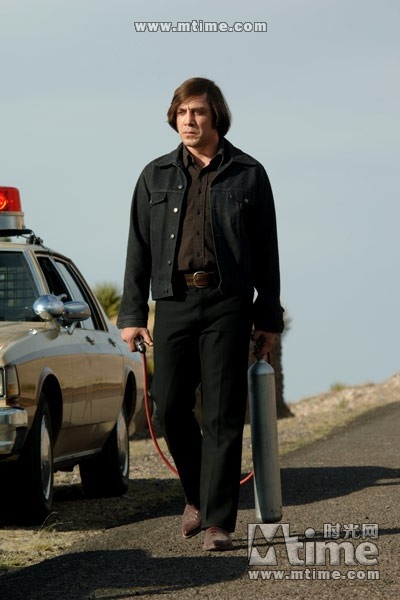
Death kills with a cattle stun gun, almost like a member of the clergy administering a cross to the forehead of a parishoner. Death is often portrayed as a hooded figure with a scythe; in this case he's a “hooded” figure with a cattle stun gun.
Man is Llewellen Moss, part sinner, part saint. He is offered a deal with Death when Death offers to ignore his wife but take him. Instead, Llewellen challenges Death and chooses declines the offer. This is straight Faustian bargaining. By declining Death's “This is the best deal you're gonna get” Moss signs not only his own death warrant but his wife's, too.
Llewellen challenges Death to a showdown and when his wife tells the sheriff, “He won't quit, neither. Never has.” the audience expects a later showdown because we've been trained to see the protagonist take on the antagonist at the climax of a story — but before that can happen life's randomness gets in the way and the Mexicans kill him. This is the major turn in the movie and the one that takes the sail out of the audience, which has been cheering for Man in his struggle against Death without realizing it.
Free Will is Carla Jean. She chooses at the end of the film not to allow Death to be random. She has a 50% chance of saving herself but chooses not to avail herself of the opportunity. She is the bravest of the lot, choosing to die by her own decision and not the randomness of Death.
The sheriff is the philosopher trying to understand the universe. He cannot and is defeated by Death in his attempt. At the movie's end the Sheriff bemoans the fact that God never entered his life. One of God's creatures, Death, was in the Sheriff's life but he didn't realize it (see “Scene with Sheriff” below). The story is the Sheriff's, his quest to understand Life, and the dream he tells at the end of the movie explains that his own father, long dead, has gone before him into the darkness of death and awaits him.
Interesting parallel — Moss pays money for a coat as he crosses into Mexico; Chigurh pays the kids money for a shirt after his accident. What is meant by that? Cannot be a coincidence.
Chigurh walking away from the accident at the end shows that Death cannot be stopped. It will always walk the streets. It is a part of our existence forever.
Scene with the Sheriff and Death at the same hotel room at the same time but the Sheriff does not see Death. This scene is vital — it solidifies the allegory. The Sheriff enters the room but does not see Death and so he does not die. Death sees the sheriff but chooses not to kill him because he's not seen in return. This scene is the “supernatural” scene which signals that we've watching an allegory, that what we've been watching is more than it appears.
Why 1980 for the book/film when it was written in 2005? Could it be it was begun then and the author simply chose not to update it? What is the reason? Must be one. Might be nothing more than the author started this 25 years ago and didn't feel like updating it to present times.
This is a wonderful movie!
此片获80届奥斯卡最佳影片奖
导演: 伊桑.科恩、乔尔.科恩兄弟
主演: 汤米.李.琼斯
在看过第三遍《老无所依》后,才敢写下这些文字。在这部复杂甚至于晦涩的片子中,每一个镜头、每一句台词都隐含了太多的信息和寓意,当然,或许其中有些是毫无意义的,最终解释权还在科恩兄弟那里。我看了关于该片的众多影评及分析,别人的解读我不在此重复,以下几点仅为我不同于他人的理解以及被人忽视的细节: 1. 影片的题目为《NO COUNTRY 4 OLD MEN》。从字面上来看,old man应该指的是警长,但这里用的却是复数,也就是说,并非警长一人,同时,从整个片子来看,不论是代表死神的杀手还是代表私欲凡人的moss,他们都无处可藏。
2. 杀手的名字叫ANTON CHIGURH,这看似是个别有用心的设计(在医院时moss两次说成是sugar)。ROGER EBERT在影评中也专门提到了这个名字,只不过他并没有道明原由。
3. 关于moss给濒死的墨西哥人送水的情节,非常关键的情节。虽然$200M是moss走上死亡之路的源头,但送水的行为也招致moss过早得踏上了死亡之路。大家基本上都觉得moss是出于善念,但我认为并非如此:首先moss在白天看到这个腹部中枪的墨西哥人时,并没有丝毫善意的表现,而是冷漠地关上了车门;其次,moss在发现这个人时应该是接近正午(moss看手表上的时间不到12点),而他送水是在第二天的凌晨,很明显,过了这么长时间,即使那个人没有因失血过多而死,送点水去也不可能救活他(虽然从车窗破碎和头部中枪可以看出他是后来被其他的墨西哥人所杀)。因此,这里的善念是站不住脚的。那么到底是为什么呢?当然是没有理由。影片始终在以一种无常的方式叙述,所以moss去送水,也是一种没有理由的行为,因此也不必给moss戴上一顶善人的帽子。
4. 在影片前部分中,共有4次凸显了“狗”:moss在打猎时,看到一只仿佛受伤的狗(待求证);在moss发现车辆和尸体时,有死狗的特写;moss送水被追杀,射杀了一只追他的狗;在警长去看尸体现场时,跟随他的警员说“他们连狗都杀”。从这几次场景中,我们看到:从moss看着狗跛着腿离去,到狗扑向moss被射杀,再到警员说“他们连狗都杀”,这一系列“狗”的安排,仿佛在说明人在狗的面前,就像杀手和moss的关系。
5. 杀手的武器是一个用来杀牲口的气筒枪。用它来杀人,充分体现了杀手是死神的化身。神职人员将十字架放在信徒的脑门上,而杀手则是把武器抵在别人的脑门上。当然,这种解释有点牵强,同时,联系到杀手杀人时的手法,这种凶器的使用也比较矛盾。因为,从开头杀手杀警官盯着天花板以及杀手杀一个墨西哥人之前拉上帘子来看,杀手残忍冷漠到不去看被杀者的表情(这与《黑暗骑士》的小丑截然不同,呵呵),但是使用气筒枪,杀手就必须要看着被杀者把气筒顶上他的脑门,这一点,还需要大家探讨。
6. 影片中被杀手干掉的人中,两个开始雇用他的人被干掉有些不合情理,我看大家都认为是因为那两个人出言不逊所致,但我认为并非如此。那两个人只叫了声“bitch”,而结尾两个小孩也叫了“fucking”,却没有被杀,所以出言不逊不是原因。真正的原因是因为杀手在确认了拿钱的人以及拿到接收器后,认为那两个人已经没有价值,对他找寻着$200M来说甚至是个麻烦,所以他干掉了他们。这也在之后moss与wells的对话中可以证实:anton会毫不犹豫地杀掉任何给他带来不便的人。
7. 反观影片中没有被杀手干掉的人,杂货店老板是因为选对了硬币,杀手遵守了原则;而至于那个管理员大妈,大家都认为因为她是女士,杀她会违反了杀手的原则。但是,影片并没有说杀手的原则里包含不杀女士这一条,况且杀手也杀了moss的老婆,同时这个大妈也确实给杀手带来了不便。所以,没有杀她的原因,是因为杀手听到了厕所的冲水声,证明有其他人在,他不想因为这个不必要的杀戮节外生枝。
8. 影片有一处巧妙的涉及,安排杀手和警长坐在同一处喝牛奶,并盯着电视屏幕看各自的影子。警长说:他(杀手)和我看到的是一样的东西。这一样的东西是什么呢?杀手看到的是他自己,而警长看到的则是开头叙述中那个杀死小女友的少年,也就是现在的杀手。
9. 影片中杀手使用硬币来表现他是有原则的,这与《黑暗骑士》中转变后的检察官手法相似。同样是硬币决定生死,但感觉检察官的硬币要深刻些。
10. 大家都认为杀手是个变态杀人狂,但是通过影片多出细节来看,科恩兄弟似乎刻意把他塑造成一个近乎完美的化身,杀死警官到三个墨西哥人的一系列杀戮体现了他杀人的能力即强大,频繁换车、卸下车标及打电话找moss体现了他的机智,追踪接收器及一些列行动体现了他的计划性,轻手轻脚表现了他的谨慎,自下而上开抽屉找钱体现了他的有条不紊,杀死收银员后又返回宾馆杀wells体现了他的勇敢,在与wells的对话时对突然想起的电话铃毫不惊慌(wells则吓了一跳)体现了他的镇静,甚至于他去药店取药给自己疗伤以及避开血迹,无不呈现出一个完美的杀手。
11. 关于moss突然而草率的死,大家很有争议。其实,在影片开头moss与他老婆对话时就已经交代了他的宿命:moss让他老婆给他妈说moss爱她,moss老婆说他妈早就死了,moss说道,还是我自己告诉她吧。这里的意思就是,moss必死无疑。至于为什么安排moss被墨西哥人杀死,我想这是一是因为配合影片讲述命运无常的主题,同时也是科恩兄弟刻意戏弄观众的一个小伎俩,因此,如果详细介绍moss的死就显得多余。
12. 最大的疑问:到底谁拿了那$200M?毫无疑问是杀手(从房间里卸下的螺丝和杀手用的硬币可以看出)。同时,$200M这条主线贯穿整部影片,而一向无所不能、完美的杀手在拿到钱后,也会遭到类似moss一样的宿命,过绿灯都出车祸,同样无处可藏。贪欲让他无异于凡人,即使他是死神的化身。这也是一种莫大的讽刺。
13. 影片多处情节都是模糊的,例如wells如何三个小时就找到moss,你再怎么分析也依然不懂。导演这么安排,说明导演也不知道原因,这只是事实。所以科恩把这种调调安排在警长这个角色上,他已经搞不懂周围的人和事。科恩用他和杀手的硬币来告诉观众,生命的无常是没有理由的,就像这部电影一样。
《老无所依》无疑是科恩兄弟最出色的作品之一(包括《冰血暴》),但是,我发现这或许是科恩兄弟唯一一部不致力于讲故事的影片,甚至于它根本没有结局。然而,它却获得了奥斯卡奖,这说明了什么呢?
这是一部非常棒的影片,但我认为它受到了过高的评价。即使它有着近乎完美的情节人物设置、表演及镜头运用,但从大家反复解读就可以看出《老无所依》最大的缺陷,就是太过分注重细节,以至于有些喧宾夺主。因为太多过于精心安排的细节有可能让观众的解读转变为一场猜谜游戏,而非真正的欣赏。
下面附上我看过的一篇最精华的《老无所依》影评,与大家分享。
Posted by Dave Hopkirk
NO COUNTRY FOR OLD MEN is an ALLEGORY.
The title is from the first line of Sailing to Byzantium by William Butler Yeats, a poet classically trained and considered by many to be the greatest 20th Century poet.
Death is Anton Chigurh. His hair style (hood-ish, shroud-ish) and black clothing suggest Death. Death kills the innocent as well as the guilty and has his own set of rules. When the witness to the high-rise killing asks, “Are you going to kill me?” Death answers, “It depends. Do you see me?” When the kids on the bicycles help him after the car accident he tells them, “You didn't see me.” If you see Death, you die; if not, you may live. Chigurh seems to come and go at will and seems to know where Moss is without trying very hard. His rules are his rules and they seem arbitrary and random. He is referred to by the sheriff as a “ghost” and he seems to be able to go wherever he pleases.
Death kills with a cattle stun gun, almost like a member of the clergy administering a cross to the forehead of a parishoner. Death is often portrayed as a hooded figure with a scythe; in this case he's a “hooded” figure with a cattle stun gun.
Man is Llewellen Moss, part sinner, part saint. He is offered a deal with Death when Death offers to ignore his wife but take him. Instead, Llewellen challenges Death and chooses declines the offer. This is straight Faustian bargaining. By declining Death's “This is the best deal you're gonna get” Moss signs not only his own death warrant but his wife's, too.
Llewellen challenges Death to a showdown and when his wife tells the sheriff, “He won't quit, neither. Never has.” the audience expects a later showdown because we've been trained to see the protagonist take on the antagonist at the climax of a story — but before that can happen life's randomness gets in the way and the Mexicans kill him. This is the major turn in the movie and the one that takes the sail out of the audience, which has been cheering for Man in his struggle against Death without realizing it.
Free Will is Carla Jean. She chooses at the end of the film not to allow Death to be random. She has a 50% chance of saving herself but chooses not to avail herself of the opportunity. She is the bravest of the lot, choosing to die by her own decision and not the randomness of Death.
The sheriff is the philosopher trying to understand the universe. He cannot and is defeated by Death in his attempt. At the movie's end the Sheriff bemoans the fact that God never entered his life. One of God's creatures, Death, was in the Sheriff's life but he didn't realize it (see “Scene with Sheriff” below). The story is the Sheriff's, his quest to understand Life, and the dream he tells at the end of the movie explains that his own father, long dead, has gone before him into the darkness of death and awaits him.
Interesting parallel — Moss pays money for a coat as he crosses into Mexico; Chigurh pays the kids money for a shirt after his accident. What is meant by that? Cannot be a coincidence.
Chigurh walking away from the accident at the end shows that Death cannot be stopped. It will always walk the streets. It is a part of our existence forever.
Scene with the Sheriff and Death at the same hotel room at the same time but the Sheriff does not see Death. This scene is vital — it solidifies the allegory. The Sheriff enters the room but does not see Death and so he does not die. Death sees the sheriff but chooses not to kill him because he's not seen in return. This scene is the “supernatural” scene which signals that we've watching an allegory, that what we've been watching is more than it appears.
Why 1980 for the book/film when it was written in 2005? Could it be it was begun then and the author simply chose not to update it? What is the reason? Must be one. Might be nothing more than the author started this 25 years ago and didn't feel like updating it to present times.
This is a wonderful movie!